
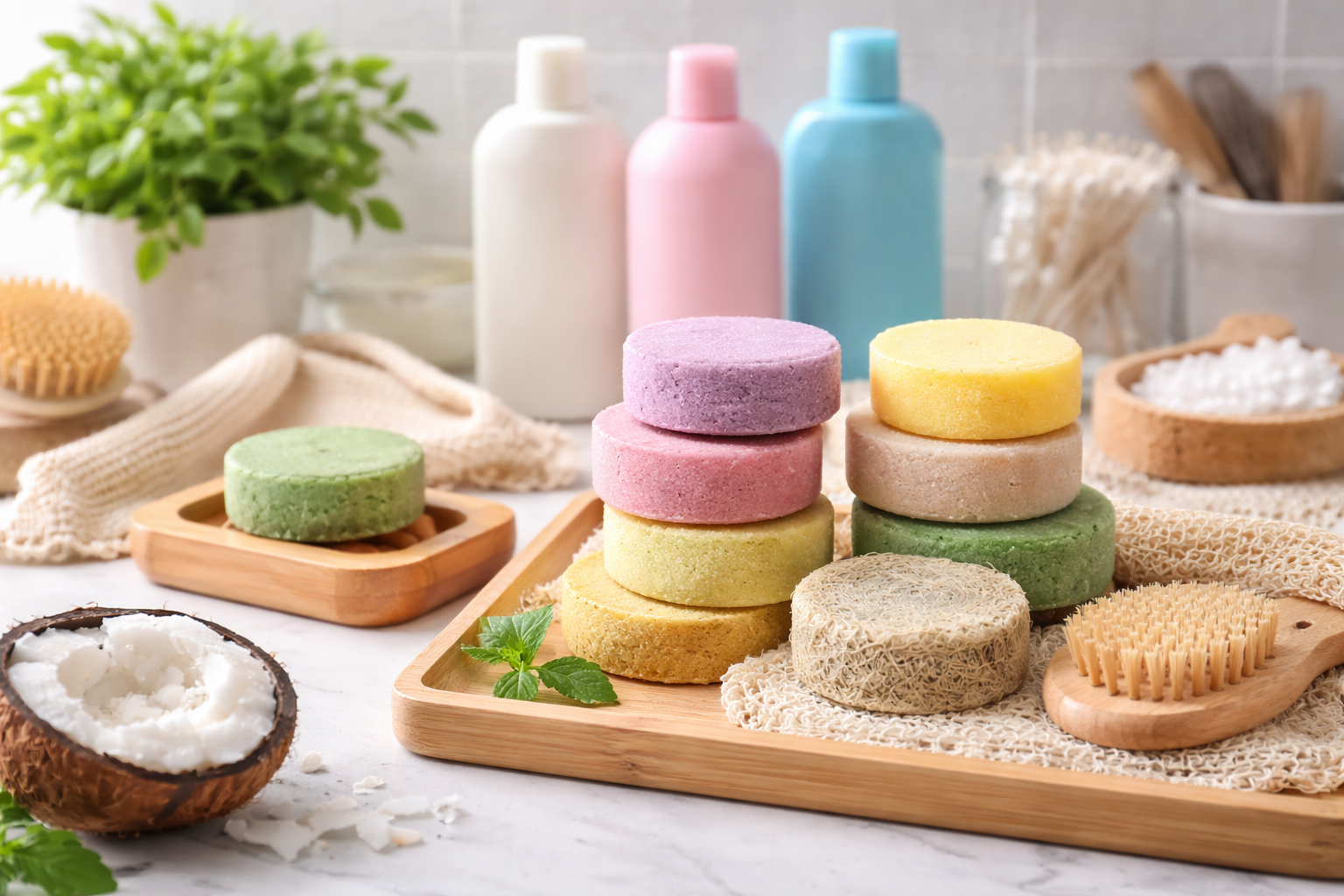
Switching to shampoo bars is one of the most impactful swaps you can make in a zero-waste bathroom. One bar can replace two to three plastic bottles and last 50-80 washes. But finding the right bar for your hair type makes the difference between a successful transition and a frustrating experience. After testing dozens of bars across different hair types, I have compiled this comprehensive guide to help you find your perfect match.
Understanding Shampoo Bar Basics
Shampoo bars work differently from liquid shampoos. They are concentrated cleansers that activate with water and lather directly on your hair or in your hands. The best bars use gentle surfactants derived from coconut or other plants rather than harsh sulfates. They also contain nourishing oils and butters that condition while cleansing.
Not all shampoo bars are created equal. Some are soap-based (made with oils and lye), which work well for some hair types but can leave a waxy residue on others. Others are syndet bars (synthetic detergent-based), which behave more like traditional liquid shampoos and tend to work better for hard water or oily scalps.
Best Shampoo Bars for Curly and Coily Hair
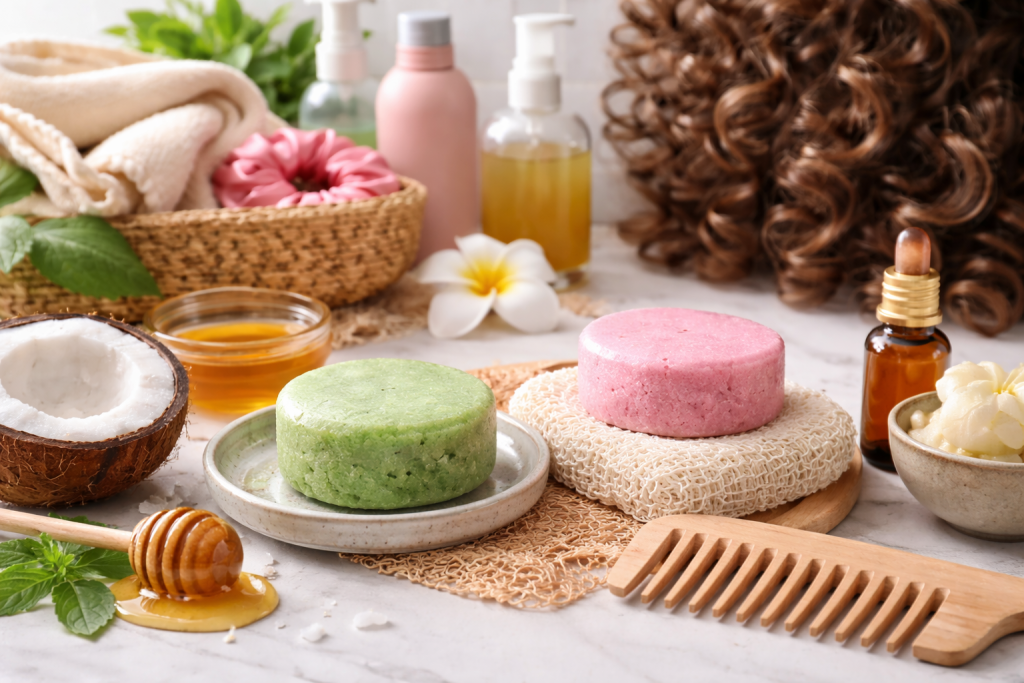
Curly hair needs extra moisture and gentle cleansing to maintain its natural curl pattern. Traditional shampoos often strip the natural oils that curls need to stay defined and frizz-free. The right shampoo bar can enhance curl definition while keeping hair hydrated.
Ethique Frizz Wrangler
Ethique is a New Zealand-based brand that pioneered the solid shampoo movement, and their Frizz Wrangler bar is specifically formulated for dry, damaged, or curly hair. This bar contains cocoa butter, coconut oil, and vitamin B5 to deeply moisturize curls while gently cleansing.
Users with 2B to 4C curl patterns report that this bar defines curls without weighing them down. The coconut-derived surfactants create a rich lather that rinses clean, leaving hair soft and manageable. One bar lasts approximately 80 washes, making it economical for daily use.
Key ingredients include sodium coco-sulfate (gentle cleanser), coconut oil, cocoa butter, and essential oils of lime and orange for a fresh scent. The pH-balanced formula helps maintain the hair cuticle, reducing frizz and enhancing shine.
HiBar Moisturize Bar
HiBar takes a different approach with their unique curved shape that fits comfortably in your hand. The Moisturize bar is specifically designed for thick, curly, or coarse hair that needs extra hydration. It contains coconut oil, rice protein, and shea butter to nourish curls from root to tip.
What sets HiBar apart is their commitment to being soap-free. The Moisturize bar uses gentle coconut-derived cleansers that won’t strip natural oils. Users report that it creates defined, bouncy curls without the crunch factor that some styling products cause.
The bar is color-safe and free from sulfates, phthalates, and silicones. It works particularly well for coily hair types that struggle with dryness. The concentrated formula means one bar replaces about three 12-ounce bottles of liquid shampoo.
Other Top Picks for Curly Hair
- Beauty Kubes: These cube-shaped shampoos are perfect for travel and contain natural ingredients like oats and marshmallow root that soothe the scalp and define curls
- Foamie Curl Power: A German brand that formulates specifically for curly hair with mango butter and plant proteins
- Chagrin Valley Soap & Salve: Their Ayurvedic Herb shampoo bar contains shikakai and amla, traditional herbs that enhance curl definition and shine
Best Shampoo Bars for Fine and Thin Hair
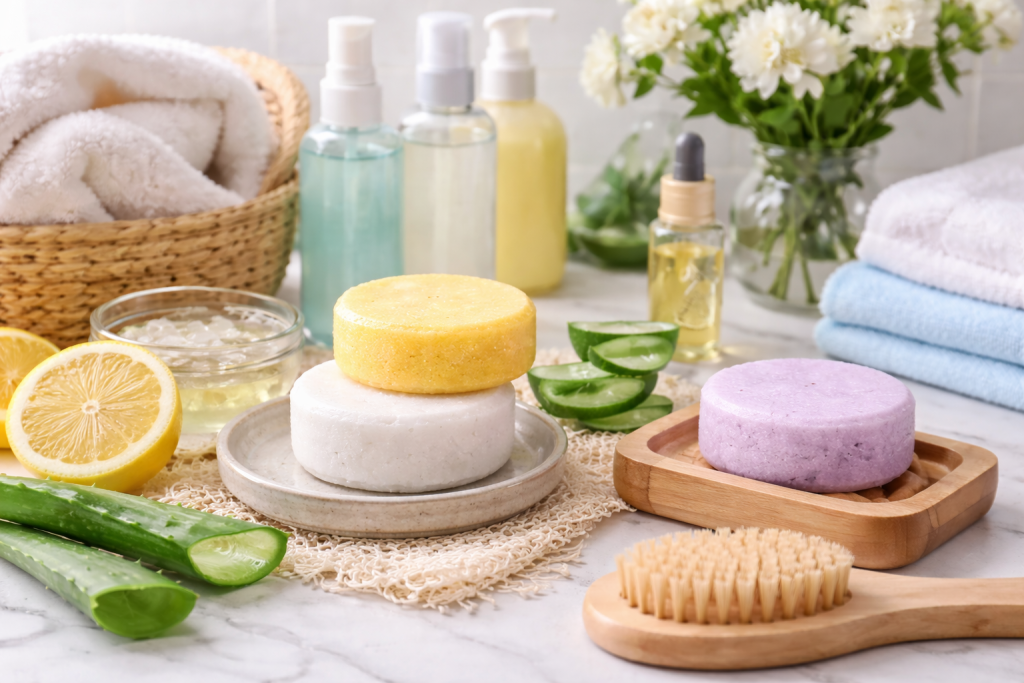
Fine and thin hair presents unique challenges with shampoo bars. Heavy moisturizing bars can weigh hair down, making it look flat and greasy. The key is finding bars that cleanse thoroughly while adding volume and body.
Ethique St. Clements
Designed specifically for oily hair, St. Clements works beautifully for fine hair that tends to get weighed down. This bar contains lime and orange oils that help balance oil production while adding a fresh, clean scent. The formula is lightweight and rinses completely clean.
Unlike moisturizing bars that can leave residue, St. Clements uses a blend of gentle cleansers that remove buildup without stripping the hair. Users with fine hair report that it adds noticeable volume at the roots and keeps hair feeling fresh longer between washes.
The bar contains kaolin clay, which absorbs excess oil and adds texture to fine hair. This makes it easier to style and helps hairstyles hold better throughout the day.
HiBar Volumize Bar
The Volumize bar from HiBar is formulated with rice amino acids and bamboo extract to add body and fullness to fine hair. It cleanses thoroughly without leaving any heavy residue that could weigh hair down.
Users appreciate that this bar creates noticeable lift at the roots while keeping the hair shaft light and bouncy. It works well for those who wash their hair daily and need a gentle yet effective cleanser that won’t cause buildup over time.
Jack59 Citrus Shine
This Canadian brand offers a Citrus Shine bar that is pH-balanced and specifically designed for fine to normal hair. The citrus extracts help remove excess oil while adding natural shine. The bar lathers quickly and rinses out completely, leaving no residue behind.
Jack59 bars are known for their long-lasting formula and the Citrus Shine version typically lasts 60-70 washes for those with fine hair who use less product.
Best Shampoo Bars for Color-Treated Hair
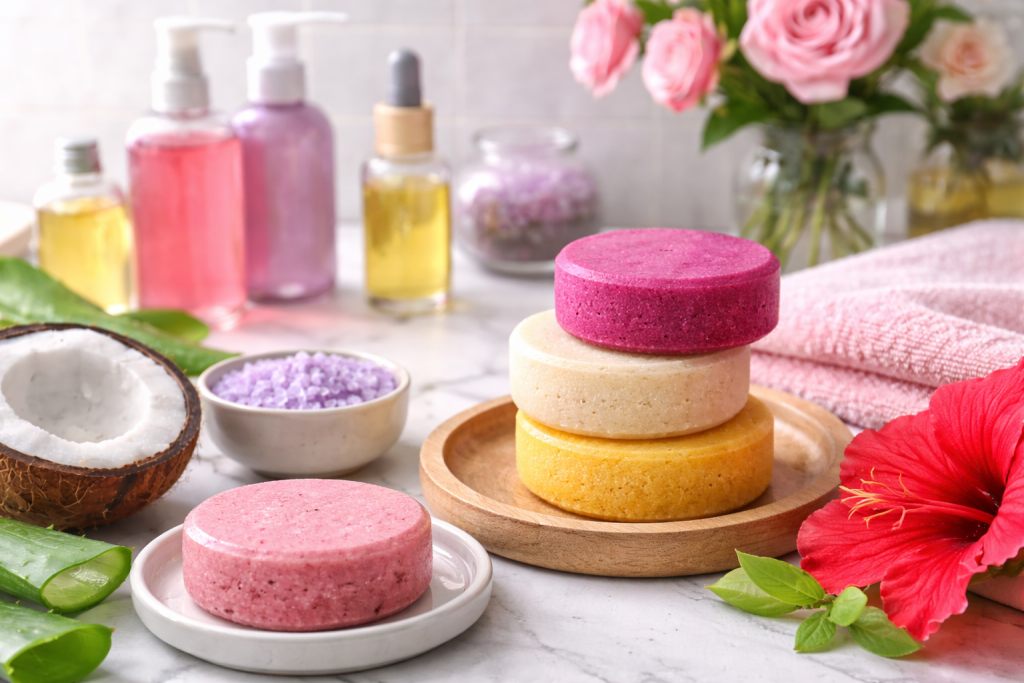
Color-treated hair requires special care to maintain vibrancy and prevent fading. Sulfates are particularly problematic for colored hair as they can strip the dye molecules. The best bars for color-treated hair are sulfate-free and pH-balanced to seal the cuticle and lock in color.
Ethique Tone It Down (Purple Bar)
For blonde, silver, or highlighted hair, the Tone It Down bar is a game-changer. This purple shampoo bar neutralizes brassy and yellow tones while gently cleansing. It contains sustainably sourced mica for the purple color and is completely free from synthetic dyes.
The formula includes babassu oil and jasmine oil to keep bleached hair hydrated and prevent the dryness that often accompanies color treatments. Users report that it keeps blonde and silver shades looking fresh and cool-toned between salon visits.
Because it is concentrated, only a small amount is needed. Overuse can create a lavender tint, so most users alternate this with a regular moisturizing bar.
Christophe Robin Color Shield
While on the pricier side, Christophe Robin’s Color Shield bar is specifically formulated to protect color-treated hair. It contains camu camu extract, which is rich in vitamin C and helps maintain color vibrancy while providing antioxidant protection.
The bar is sulfate-free and uses gentle cleansing agents that won’t strip color. It also contains apricot oil to add shine and softness without weighing hair down. Users with vibrant fashion colors report that this bar helps their color last weeks longer than traditional shampoos.
Kitsch Rice Water Bar
Rice water has been used for centuries to strengthen hair, and this bar harnesses that power for color-treated hair that needs repair. The fermented rice water protein helps rebuild damaged cuticles while the gentle formula protects color investment.
This bar is particularly good for those who have bleached or chemically treated their hair, as it helps restore elasticity and reduce breakage while being color-safe.
Best Shampoo Bars for Oily Scalps
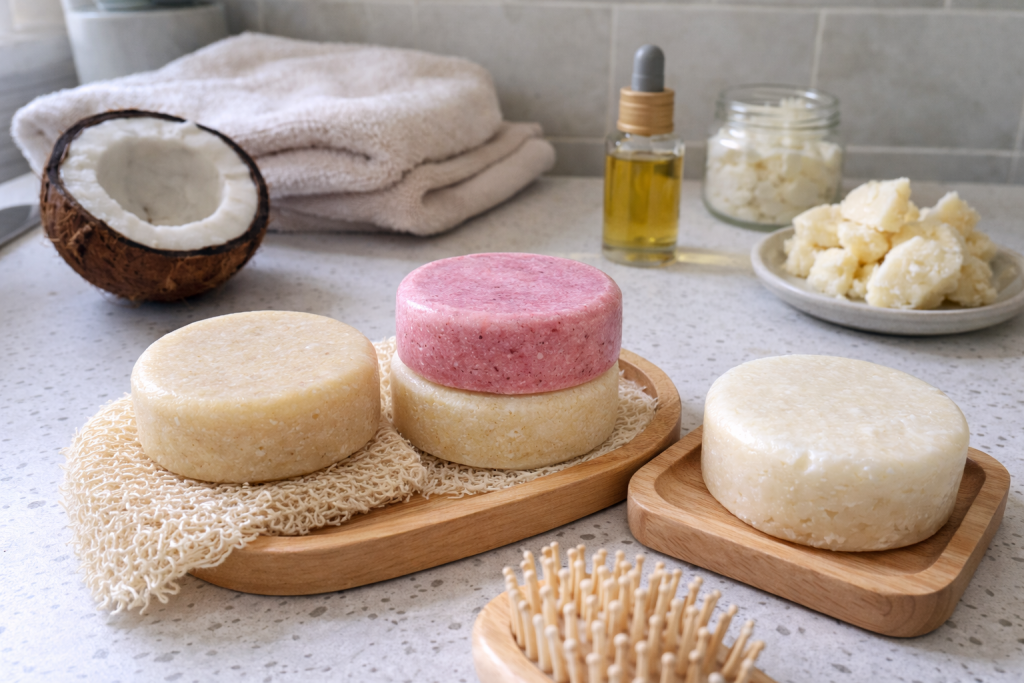
Oily scalps need thorough cleansing without over-stripping, which can trigger even more oil production. The best bars for oily scalps contain clarifying ingredients like tea tree oil, charcoal, or apple cider vinegar that balance the scalp microbiome.
Ethique Heali Kiwi
The Heali Kiwi bar is specifically designed for touchy scalps, including those prone to oiliness and flaking. It contains neem oil, karanja oil, and oatmeal to soothe irritation while thoroughly cleansing excess sebum.
Tea tree and lime oils provide natural antimicrobial properties that help balance the scalp’s oil production. Users with oily scalps report that this bar extends the time between washes from daily to every other day or longer.
The formula is pH-balanced at 5.5, which helps maintain the scalp’s natural acid mantle. This prevents the overproduction of oil that can occur when the scalp is stripped by harsh cleansers.
Basin Activated Charcoal Bar
Charcoal is excellent for absorbing excess oil and impurities from the scalp. Basin’s activated charcoal shampoo bar provides deep cleansing that removes buildup without harsh sulfates. It is particularly effective for those who use styling products or dry shampoo regularly.
The bar creates a rich, dark lather that feels refreshing on the scalp. Users report that it removes product buildup that other shampoos leave behind, leaving the scalp feeling truly clean and light.
Chagrin Valley Apple Cider Vinegar Bar
Apple cider vinegar is known for balancing pH and removing buildup. Chagrin Valley’s ACV bar combines raw apple cider vinegar with gentle cleansers to clarify oily scalps while maintaining healthy pH balance.
This bar is particularly good for those dealing with both oiliness and dandruff, as the ACV helps combat the yeast that can contribute to flaking.
Best Shampoo Bars for Dry Hair
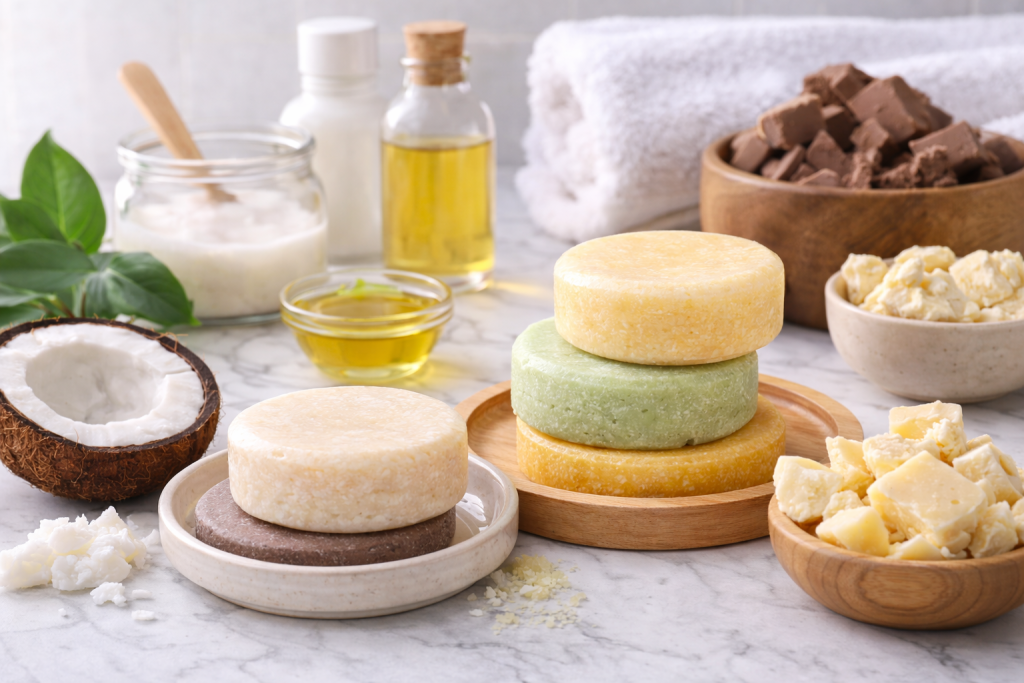
Dry hair needs bars that cleanse gently while delivering intense moisture. Look for bars with high concentrations of oils and butters like shea, cocoa butter, and coconut oil.
Ethique The Guardian
The Guardian is Ethique’s most moisturizing bar, designed for very dry, damaged, or chemically treated hair. It contains cocoa butter, coconut oil, and vitamin B5 in a formula so hydrating that some users find they don’t need conditioner afterward.
The bar is ideal for hair that has been heat-damaged or over-processed. The rich lather feels luxurious and the results are immediately noticeable, with hair feeling softer and more manageable after just one wash.
HiBar Maintain Bar
For normal to slightly dry hair, the Maintain bar offers the perfect balance of cleansing and conditioning. It contains honeyquat and shea butter to add moisture without heaviness.
This bar is particularly good for those transitioning from liquid to solid shampoo who want something that feels familiar. The lather is rich and the scent is pleasant but not overpowering.
The Transition Period: What to Expect
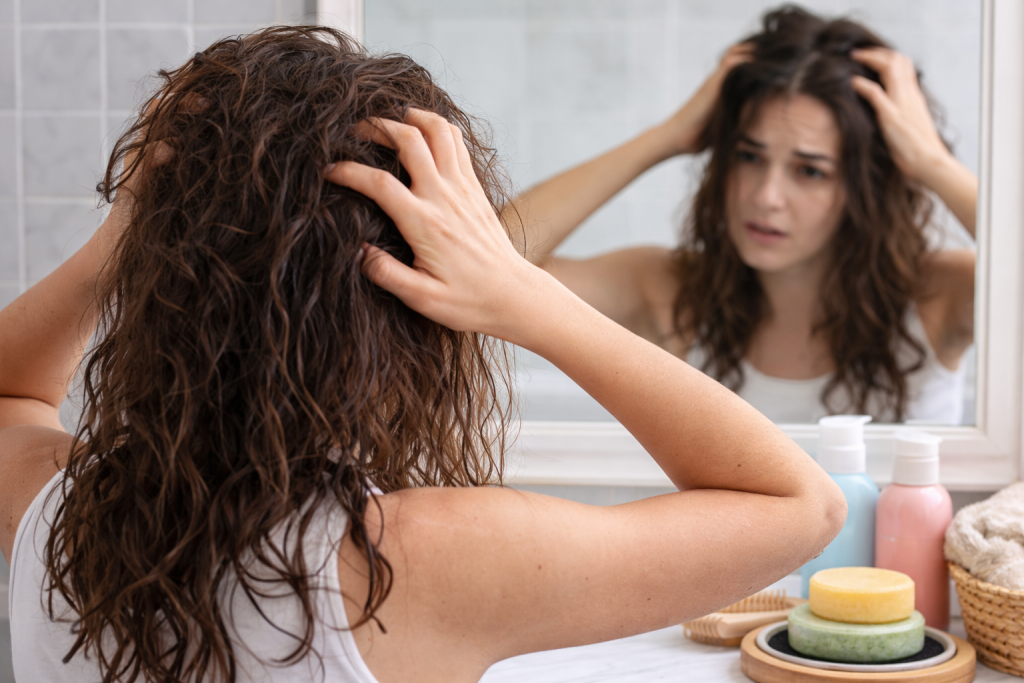
When switching from liquid shampoo to shampoo bars, most people experience a transition period lasting anywhere from two to six weeks. During this time, your hair may feel different than usual. Understanding what is happening helps you push through to the other side.
Why the Transition Happens
Liquid shampoos often contain silicones that coat the hair shaft, creating artificial smoothness. Many also leave residue from sulfates and other chemicals. When you switch to a natural shampoo bar, these residues are gradually washed away, revealing your hair’s natural texture.
Additionally, your scalp has been trained to produce a certain amount of oil based on how often you wash and what products you use. When you change your routine, the scalp needs time to recalibrate its oil production.
Common Transition Symptoms
- Waxy or coated feeling: This is usually residue from the bar reacting with hard water minerals. An apple cider vinegar rinse usually solves this
- Increased oiliness: Your scalp is overproducing oil as it adjusts. This typically resolves within two to four weeks
- Frizz or dryness: The hair cuticle is adjusting to new cleansing agents. Deep conditioning can help during this phase
- Tangly hair: Without silicone coating, hair may tangle more easily. Using a conditioner bar helps
Tips for a Smoother Transition
Start with a clarifying wash using your old shampoo to remove buildup before beginning with the bar. This gives you a clean slate to start from.
Use an apple cider vinegar rinse after washing, especially if you have hard water. Mix one to two tablespoons of ACV with one cup of water and pour over hair after shampooing. This removes residue and balances pH.
Be patient and consistent. Switching back and forth between liquid and bar shampoo prolongs the transition. Commit to the bar for at least a month before deciding if it works for you.
Common Shampoo Bar Mistakes
Many people give up on shampoo bars before finding the right one because of easily avoidable mistakes. Here are the most common pitfalls and how to avoid them.
Mistake 1: Rubbing the Bar Directly on Hair
While some people can get away with rubbing the bar directly on their hair, this often leads to uneven distribution and wasted product. The better method is to lather the bar in your hands first, then apply the lather to your scalp and hair.
For long hair, sectioning your hair and applying lather to each section ensures even coverage. Focus on the scalp where oil and dirt accumulate, and let the lather run down the length of your hair rather than scrubbing the ends.
Mistake 2: Using Too Much Product
Shampoo bars are concentrated. You need significantly less than you think. Using too much can leave residue and actually make hair feel dirty or greasy. Start with a small amount and add more only if needed.
A good bar should last 50-80 washes. If yours is disappearing faster, you are probably using too much.
Mistake 3: Improper Storage
Shampoo bars need to dry between uses. Leaving them in a puddle of water causes them to dissolve prematurely. Always store your bar on a soap dish with drainage or a wire rack that allows air circulation.
Some users cut their bars into smaller pieces and keep the unused portion dry. This extends the life of the bar significantly.
Mistake 4: Ignoring Water Hardness
Hard water contains minerals that can react with some shampoo bars, leaving a waxy film on hair. If you have hard water, look for syndet bars rather than soap-based bars. Ethique and HiBar both work well in hard water conditions.
If you are not sure whether you have hard water, look for soap scum buildup on your shower doors or faucets. White, chalky deposits indicate hard water.
Mistake 5: Giving Up Too Soon
The transition period can be frustrating, but most people who push through find that their hair health improves significantly. Natural shampoo bars allow your scalp to find its natural balance without interference from harsh chemicals.
If one bar does not work for you, try another with different ingredients. Just like liquid shampoos, not every formula works for every hair type.
Final Thoughts and Recommendations
Finding the right shampoo bar for your hair type may take some experimentation, but the environmental and economic benefits make it worthwhile. One bar replaces multiple plastic bottles and typically costs less per wash than quality liquid shampoo.
For those just starting out, I recommend beginning with Ethique or HiBar, as both brands offer solid formulations for various hair types and provide clear guidance on which bar to choose. Their customer service is also responsive if you need help troubleshooting.
Remember to be patient during the transition period and to use an apple cider vinegar rinse if you experience any waxy buildup. Store your bar properly to maximize its lifespan, and do not be afraid to try different options until you find your perfect match.
Have you made the switch to shampoo bars? Share your experience and favorite brands in the comments below.
Last updated: February 2026